The energy transition is happening, and it is only beginning.
But what does the energy transition actually mean for organizations managing buildings, infrastructure and energy budgets?
In the North American context, one way to think about it is as a shift from an era of relatively abundant and predictable natural gas and electricity supply toward a more complex energy environment shaped by rapid technological change, volatile energy markets and increasingly constrained electricity systems.
Natural gas prices are being influenced by geopolitical events, trade dynamics, weather and changing supply and demand. At the same time, electricity demand is increasing as artificial intelligence and data centers expand, transportation electrifies and more heating loads move from fossil fuels to electricity.
For energy and facilities managers, these changes create both challenges and opportunities.
A changing electricity system
Grid operators, regulators and policymakers are working to determine how best to serve rapidly growing electricity demand.
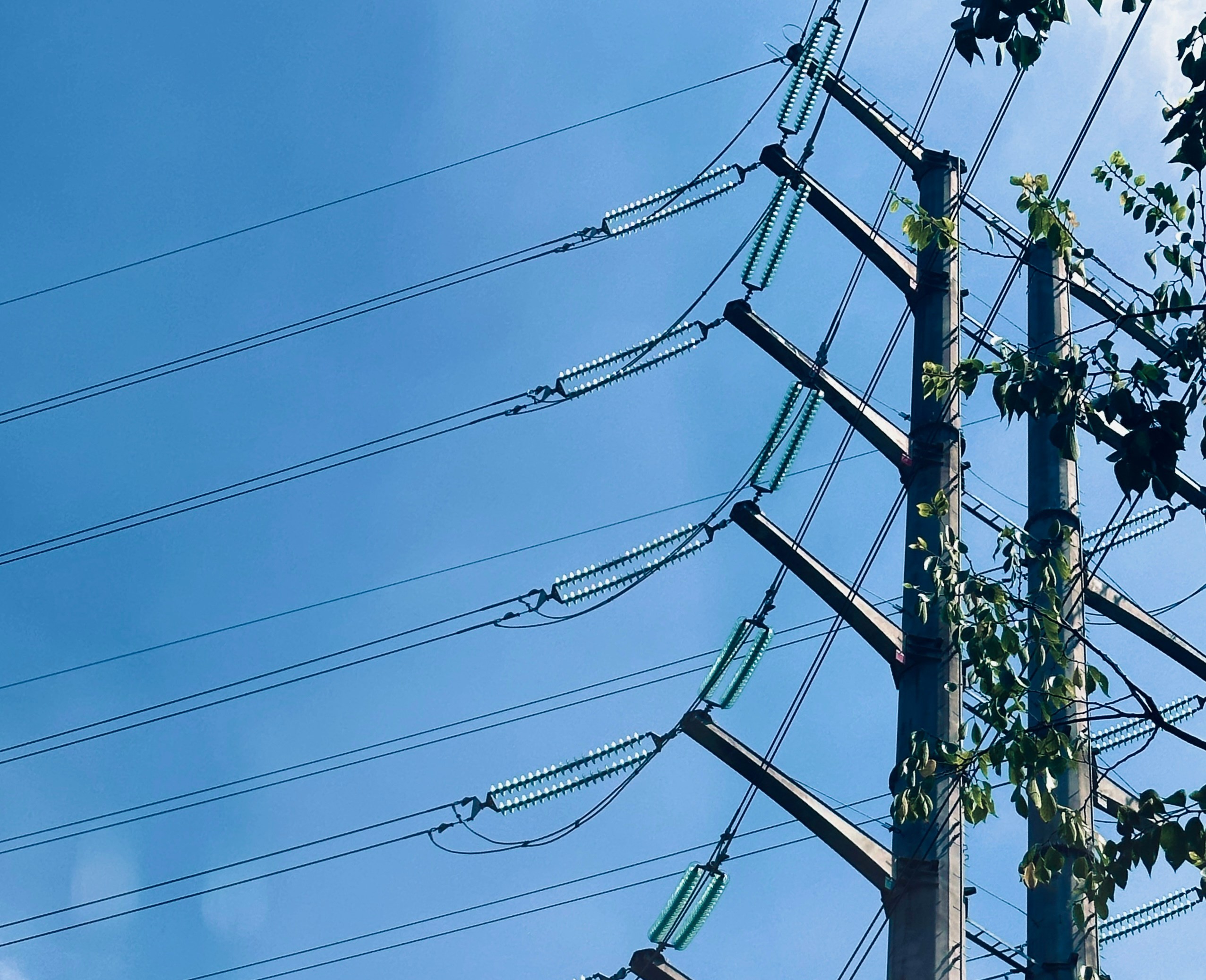
Historically, North American electricity systems were built around large-scale power generation, high-voltage transmission and local poles-and-wires distribution networks. That model is evolving.
Large-scale generation and transmission investment will continue to play an important role, but these projects can be capital-intensive and take years to develop. Increasingly, solutions at the local distribution and facility level will also be part of the equation.
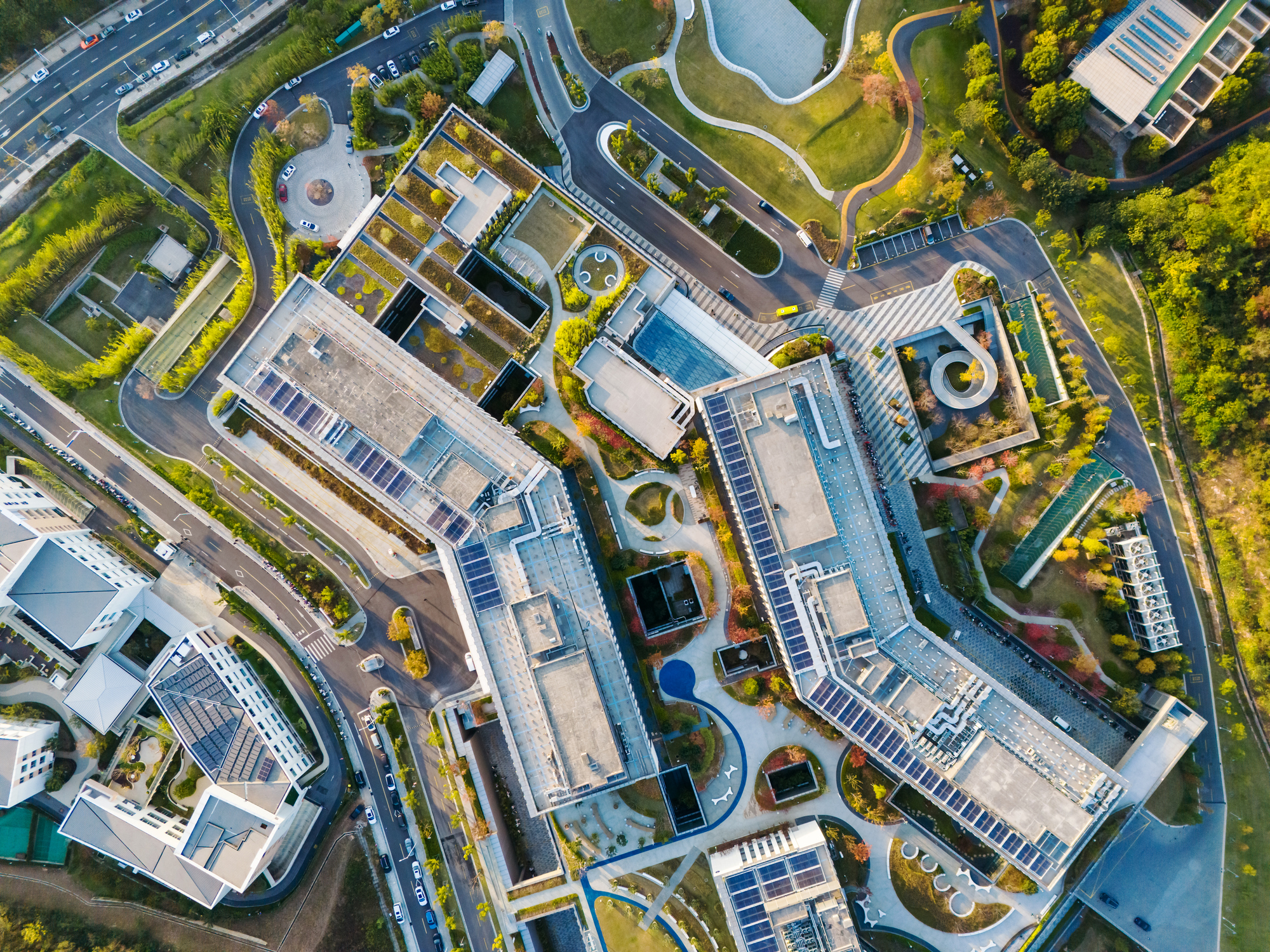
Local utilities are beginning to explore more dynamic Distribution System Operator (DSO) models, in which distributed energy resources (DERs) and flexible loads can complement traditional infrastructure investments.
DERs can include technologies such as:
- Solar photovoltaic (PV) systems
- Battery energy storage
- Thermal energy storage
- Onsite generation, including combined heat and power
- Flexible and dispatchable building loads
When connected through the appropriate software, controls and energy management systems, these assets can potentially provide value both to the facilities where they operate and to the broader electricity system.
But for facility and energy managers, integrating these technologies introduces another layer of complexity.
The infrastructure challenge
At the same time, many organizations are managing another challenge: aging energy infrastructure and years of deferred maintenance.
Older boilers, HVAC equipment, controls and other critical building systems can create a cycle of reactive spending. Operating budgets are repeatedly used to repair aging assets, while the underlying infrastructure continues to deteriorate and operational risk increases.
Modernization requires capital, but that capital is often limited or competing directly with an organization’s core priorities, whether those are healthcare, education, housing or other essential services.
This is where Energy-as-a-Service (EaaS) can provide another path forward.
What is Energy-as-a-Service?
Rather than requiring an organization to fund the full cost of an energy infrastructure project upfront, an EaaS model can provide access to capital for infrastructure renewal, energy efficiency and distributed energy solutions through a long-term service structure.
When energy savings are combined with reductions in deferred maintenance and other operating costs, an EaaS project can be structured to deliver a positive impact on an organization’s operating and capital budgets
The objective is not simply to finance equipment. It is to bring together the technical, financial and operational components of an energy modernization program into an integrated solution.
At Blackstone, that means combining expertise in energy and electricity markets, energy management and optimization technologies, distributed energy resources, infrastructure engineering and project delivery.
Turning energy complexity into opportunity
For organizations, the energy transition does not have to mean managing each new technology, market signal and infrastructure decisions independently.
Blackstone helps clients design integrated energy infrastructure solutions that can respond to both today’s operational requirements and tomorrow’s electricity system.
That can include installing technologies at the facility level that create greater visibility and control over energy use, integrating distributed energy resources and flexible loads, replacing aging steam boilers with high-efficiency heat pumps and thermal storage, and deploying onsite generation where appropriate.
Together, these measures can transform aging infrastructure into more efficient, resilient, and increasingly flexible energy assets.
And rather than asking clients to take on all of the technical and performance risk themselves, EaaS structures can incorporate performance guarantees and allocate defined risks to Blackstone and its delivery partners.
What can an EaaS model offer?
Depending on the project structure, Energy-as-a-Service can provide organizations with:
- Access to upfront capital for energy infrastructure modernization
- Simplified delivery across financing, technology, engineering and implementation
- More reliable and resilient energy infrastructure
- Modern, flexible energy assets that can respond to an evolving electricity system
- Performance guarantees and defined risk transfer
- A pathway to combine infrastructure renewal with energy and emissions objectives
The energy transition is creating a more complex operating environment, but it is also changing what energy infrastructure can do with modern innovation.
With the right financial structure, technologies and expertise, organizations can move beyond simply responding to energy-system change and begin positioning their facilities to benefit from it.
Are you ready to win from the energy transition? Contact Blackstone to learn more: info@blackstoneenergy.com